Mental Clarity Example: Prioritize and Act Calmly

What is an example of mental clarity?
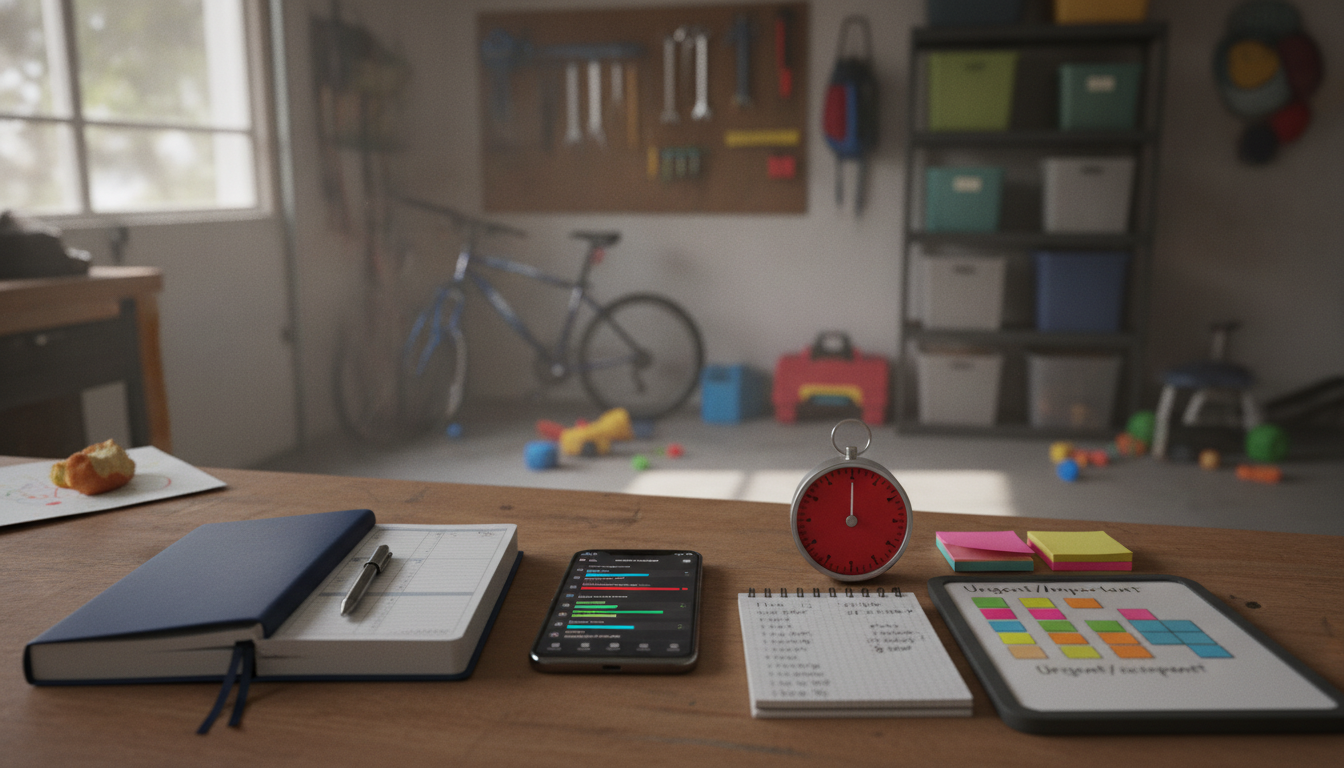
An easy example of mental clarity is when you can quickly identify what matters most, choose a next step, and carry it out without second-guessing every detail. Picture a busy Monday morning: your inbox is overflowing, notifications keep popping up, and your to-do list is longer than usual. Instead of feeling scattered, you pause for a moment, decide the one task that will make everything else easier (like confirming an order shipment or resolving a customer issue), and complete it calmly.
How mental clarity looks in real life
Mental clarity often shows up as a clean, steady “signal” in your thoughts. You’re still aware of multiple demands, but they don’t feel equally urgent. You can sort them, prioritize them, and act.
For example, you might:
- Notice you’re getting stressed, then take two minutes to breathe or jot down a quick list.
- Pick the top priority based on impact (revenue, deadlines, customer satisfaction, safety).
- Communicate clearly: “I’ll handle X now; Y will be done by 3 PM.”
- Finish the task, then move to the next without spiraling into worry.
Another simple example: making a confident decision
Another common example is making a purchase or plan without mental clutter. You compare two options, choose the one that fits your needs and budget, and feel settled afterward—no endless re-checking, no reopening tabs, no replaying the decision all day. That sense of “decision complete” is a practical sign of clarity.
For more detail on what mental clarity can feel like day to day and what supports it, visit the main article.
For Mental Clarity Example: Prioritize and Act Calmly, the best answer depends on fit, material, care instructions, and how the product will be used day to day.
Checking those details first helps avoid a poor match and keeps the choice practical after delivery.
FAQ
What causes brain fog?
Brain fog is commonly linked to poor sleep, chronic stress, dehydration, nutrient gaps, medication side effects, or illness. When those factors stack up, focus and recall can feel slower and less reliable.











Leave a comment