4 Types of Time Management: Planning to Time Tracking
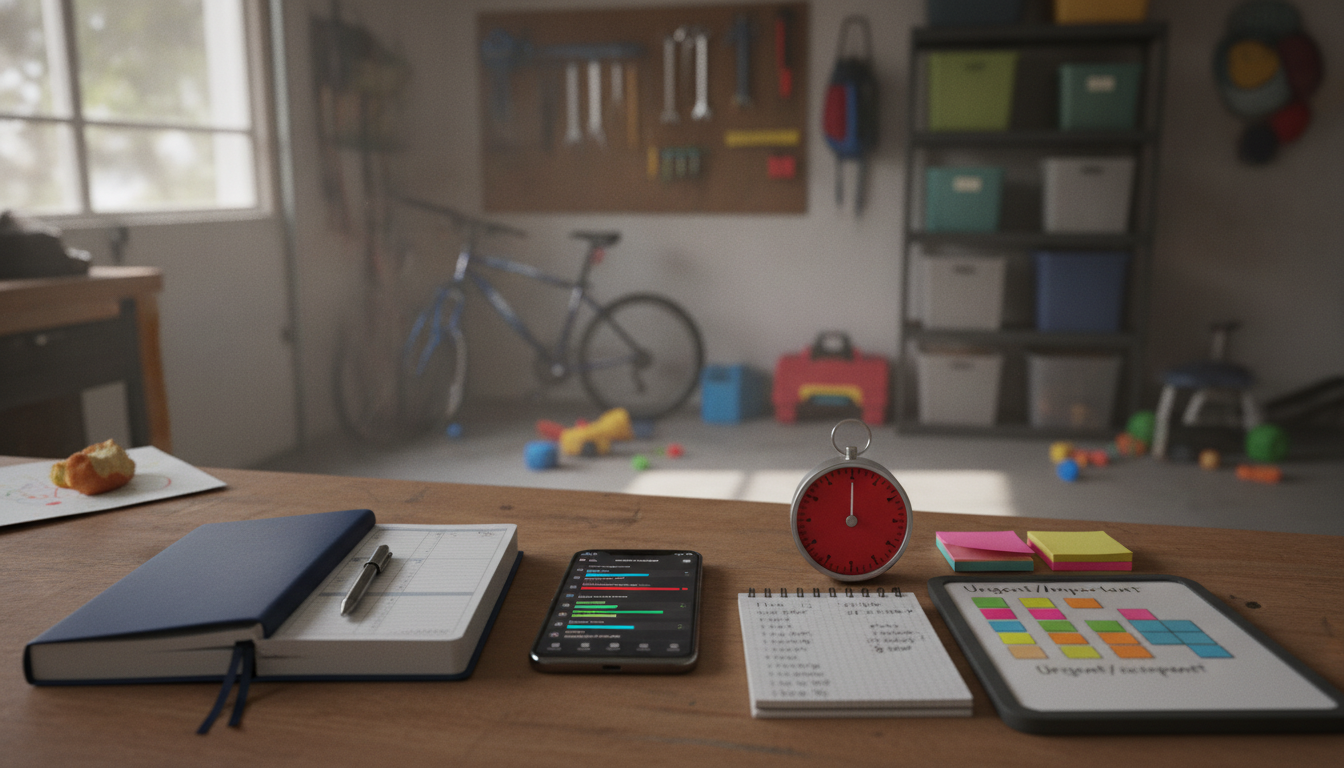
What are the four types of time management?
The four types of time management can be understood as four practical approaches people use to control their schedule and follow through on priorities: planning ahead, prioritizing work, blocking time, and tracking how time is actually spent. Together, they help turn “busy” into “productive” by making your choices visible and repeatable.
1) Planning (mapping the work before it starts)
Planning is the habit of deciding what you’ll do and when you’ll do it before the day gets noisy. This includes weekly previews, daily to-do lists, and setting realistic deadlines. Planning reduces last-minute scrambling because tasks already have a place on your calendar or list.
2) Prioritization (choosing what matters most)
Prioritization is deciding what deserves attention first when everything feels urgent. A simple way is to label tasks by impact and urgency—high-impact items and true deadlines come first, while low-value tasks get delayed, delegated, or deleted. Strong prioritization protects your best hours for your most important outcomes.
3) Time blocking (assigning time to the work)
Time blocking means reserving specific chunks of time for specific activities—emails from 9:00–9:30, project work from 10:00–12:00, errands at 4:00, and so on. It minimizes context switching and helps you start faster because the next action is already scheduled.
4) Time tracking (measuring where time really goes)
Time tracking is reviewing how you actually spend time, not how you intended to spend it. You can use a timer, a simple notes log, or an app to record categories like meetings, deep work, admin tasks, and breaks. Tracking reveals patterns (like frequent interruptions) so you can adjust your planning and time blocks with better accuracy.
For a deeper breakdown and practical examples, visit https://peakpickmarket.shop/what-are-the-four-types-of-time-management/.
FAQ
What is the best time management method for a busy schedule?
A good starting point is time blocking paired with prioritization: pick 1–3 high-impact tasks, block protected time for them, then batch lower-priority work into smaller windows. This keeps your day driven by outcomes instead of interruptions.












Leave a comment