Best Puppy Training Schedule: Daily Routine That Works
What is the best puppy training schedule?
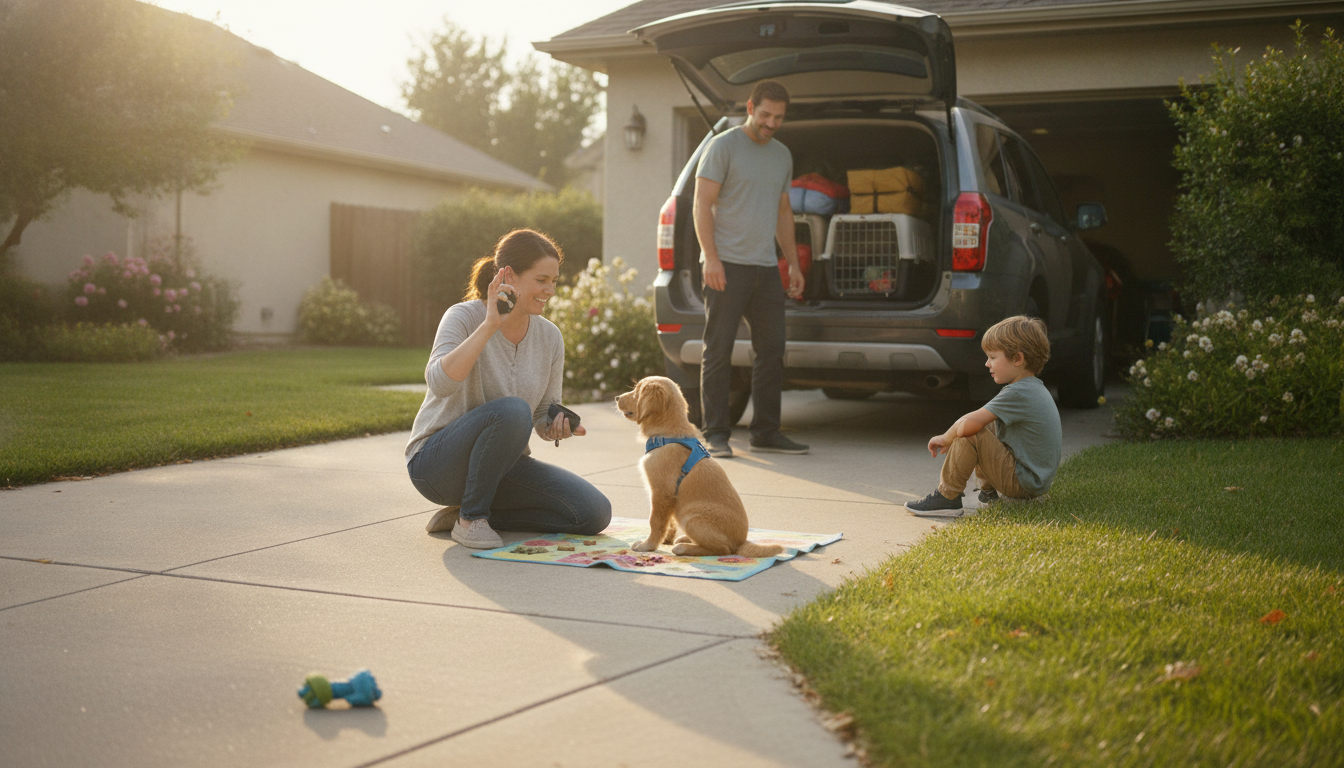
The best puppy training schedule is one that matches a puppy’s short attention span: frequent, tiny sessions every day, paired with predictable potty breaks, meals, play, and naps. Most puppies learn fastest with 3–6 micro-sessions (2–5 minutes each) spread across the day, plus consistent routines that prevent accidents and unwanted chewing.
A simple daily schedule that works for most puppies
Morning: Potty immediately after waking, then a quick 2–3 minute session (name response, “sit,” or “touch”). Feed breakfast, potty again, then a short play break. Follow with a nap or quiet time in a crate or puppy-safe area.
Midday: Potty after naps and play. Do one short training session before lunch and one after, focusing on leash skills indoors, “leave it,” or calm handling (ears, paws, collar). Build in a longer nap—young puppies may sleep 18–20 hours per day.
Evening: Keep energy controlled with structured play, a brief walk or yard time, and a final 3–5 minute training session. Feed dinner, potty shortly after, then calm time to prevent zoomies and nipping. End with a last potty trip right before bed.
How to choose what to train each week
Start with foundation habits: potty routine, crate comfort, biting/chewing redirection, and settling. Once those are improving, add basic cues (sit, down, come), leash manners, and polite greetings. Socialization should be daily but gentle—short exposures to new sounds, surfaces, and friendly people, always paired with treats and an easy exit.
Consistency matters more than duration
Puppies don’t need marathon lessons; they need repetition in real life. Use the schedule to prevent mistakes, reward the right choices quickly, and keep sessions upbeat. For a more detailed routine you can tailor to age and home life, visit https://peakpickmarket.shop/what-is-the-best-puppy-training-schedule/.
FAQ
How long should each puppy training session be?
Aim for 2–5 minutes per session, repeated several times daily. Stop while your puppy is still engaged, then use normal routines (meals, potty, play) to reinforce the same skills.









Leave a comment