Cat and Dog Theory Explained: Communication Styles
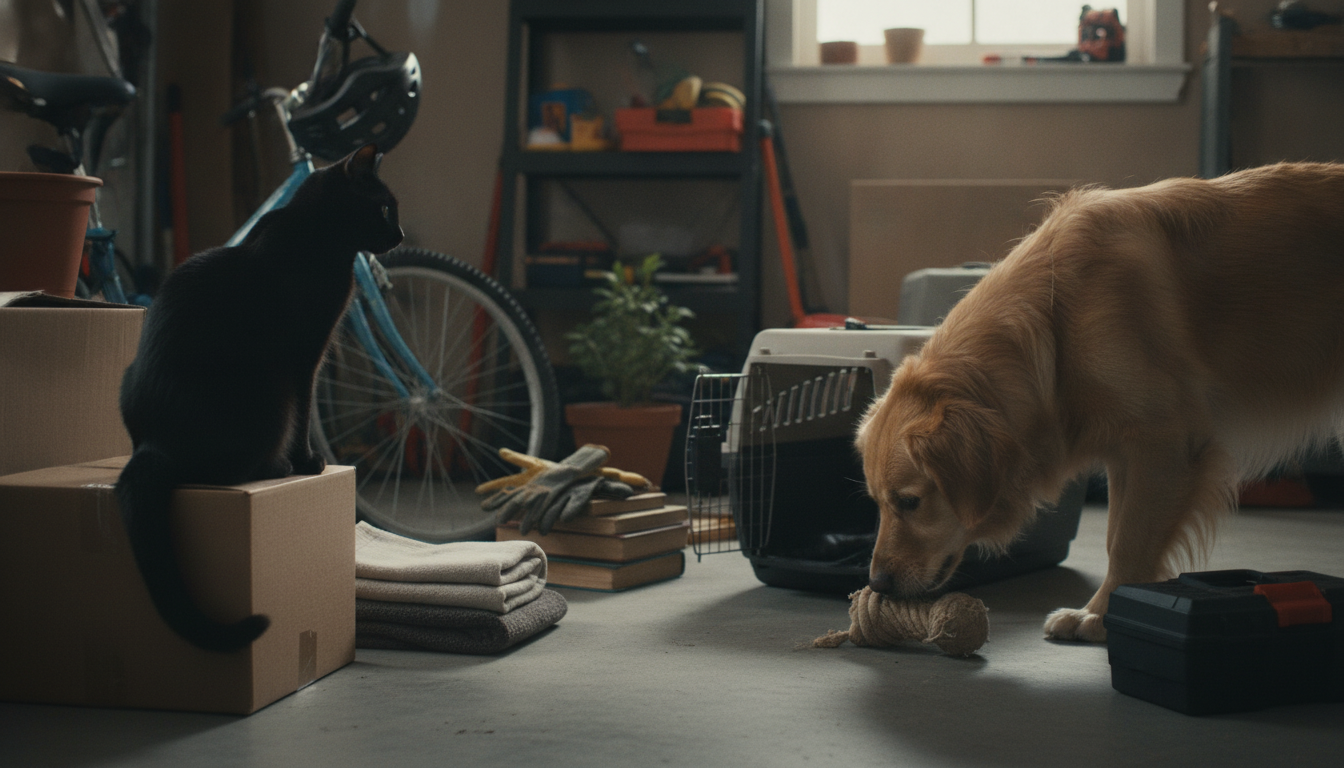
What is the cat and dog theory?
Answer
The cat and dog theory is a simple, everyday way of describing two common relationship and communication styles by comparing people to cats or dogs. It’s not a scientific diagnosis or a strict personality test. It’s an analogy that helps explain why some people want closeness and frequent connection (the “dog” style) while others prefer independence and more space (the “cat” style).
In this theory, “dog” energy tends to look like checking in often, enjoying routines together, and feeling reassured by quick replies or clear affection. “Cat” energy tends to look like needing downtime, disliking being pressured, and showing care in quieter ways—being present, helping with something practical, or reconnecting after space.
The idea isn’t that one style is better. Problems usually start when each side assumes their preference is the “normal” one. A dog-style person might read distance as rejection, while a cat-style person might read frequent contact as control. The cat and dog theory reframes that mismatch as different needs rather than bad intentions.
Used well, the theory can make conversations easier. A dog-style communicator can ask for reassurance directly instead of guessing, and a cat-style communicator can set expectations (“I’m going to be offline for a bit, but I’m good”) rather than going silent. It’s also a reminder that many people aren’t purely one or the other—someone can be “dog” in friendships and “cat” at work, or switch depending on stress.
If you want a deeper breakdown and examples of how this idea shows up in real-life situations, read the full guide here: https://peakpickmarket.shop/what-is-the-cat-and-dog-theory/.
FAQ
How do you tell if someone is more “cat” or more “dog” in communication?
Look at what makes them feel cared for: frequent contact and quick reassurance often signal a “dog” style, while comfort with space and slower, calmer check-ins often signal a “cat” style. The clearest indicator is what they request when they’re stressed—more closeness or more room.







Leave a comment